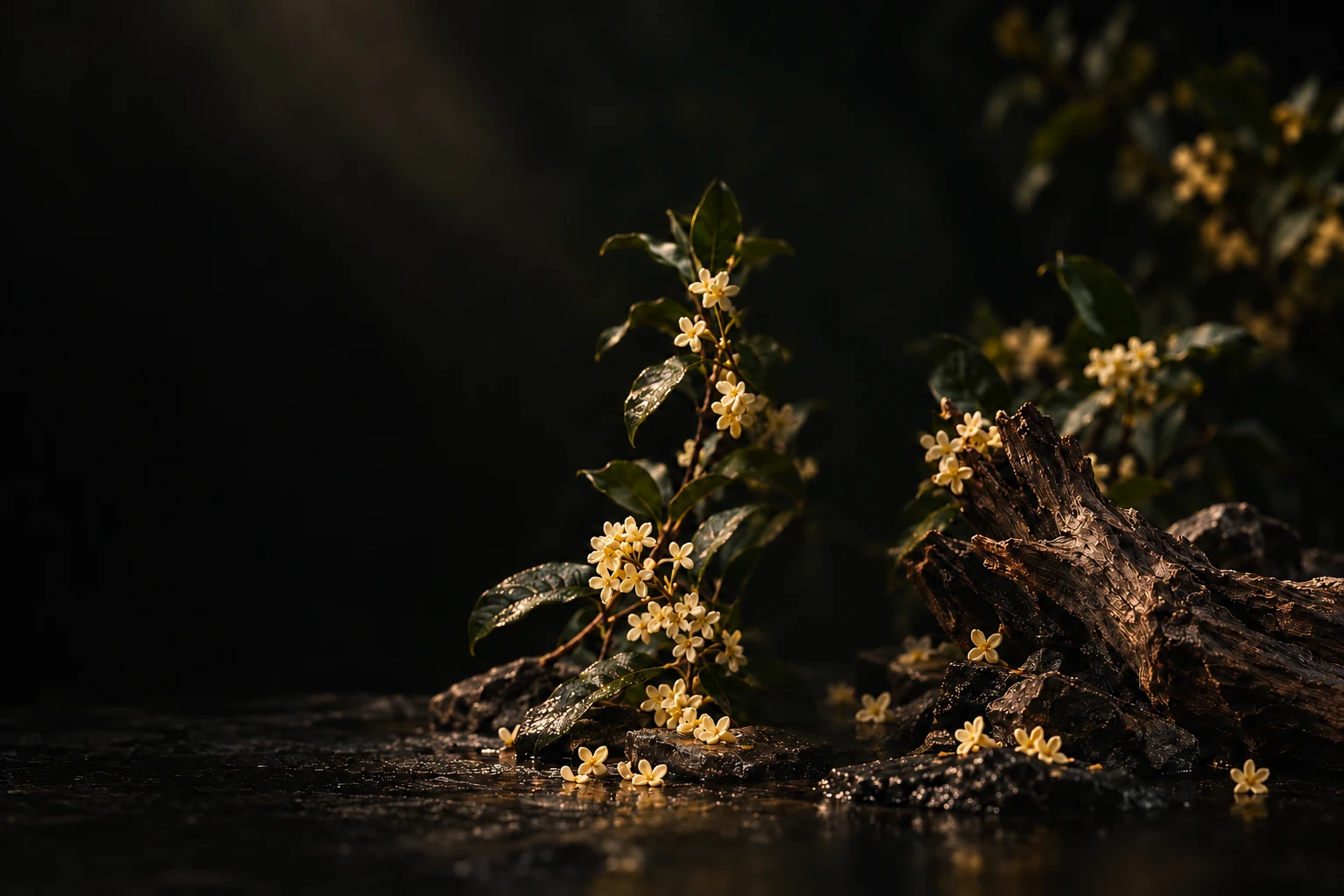
Osmanthus
FLORAL · LUMINOUS · APRICOT-TONED
 Explore M31
 A golden floral opening. A quiet woody depth.
An everyday cleanse, made extraordinary.
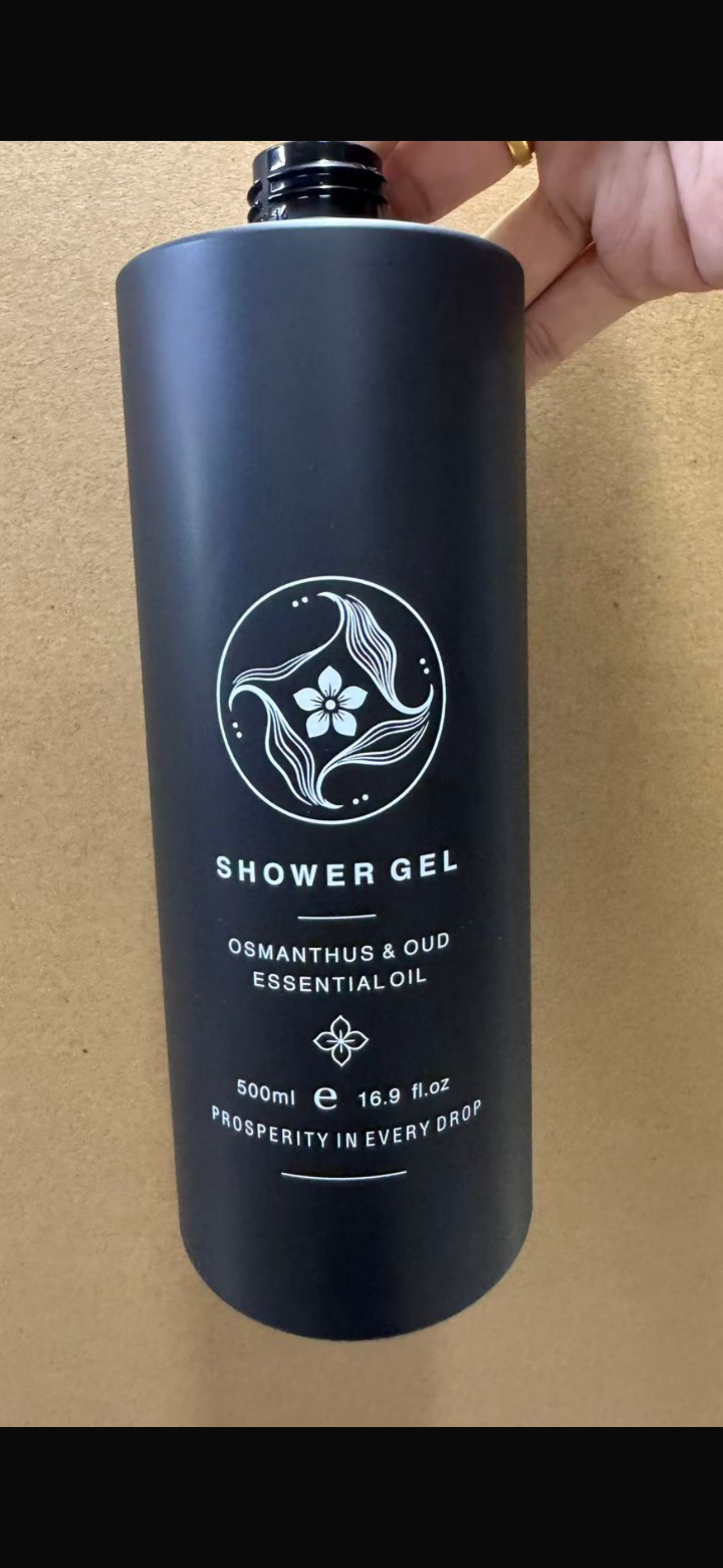
A flower. A wood. A world within.
Preparing your discovery
Click the bottle to reveal what’s within. Drag to explore.
FLORAL · LUMINOUS · APRICOT-TONED
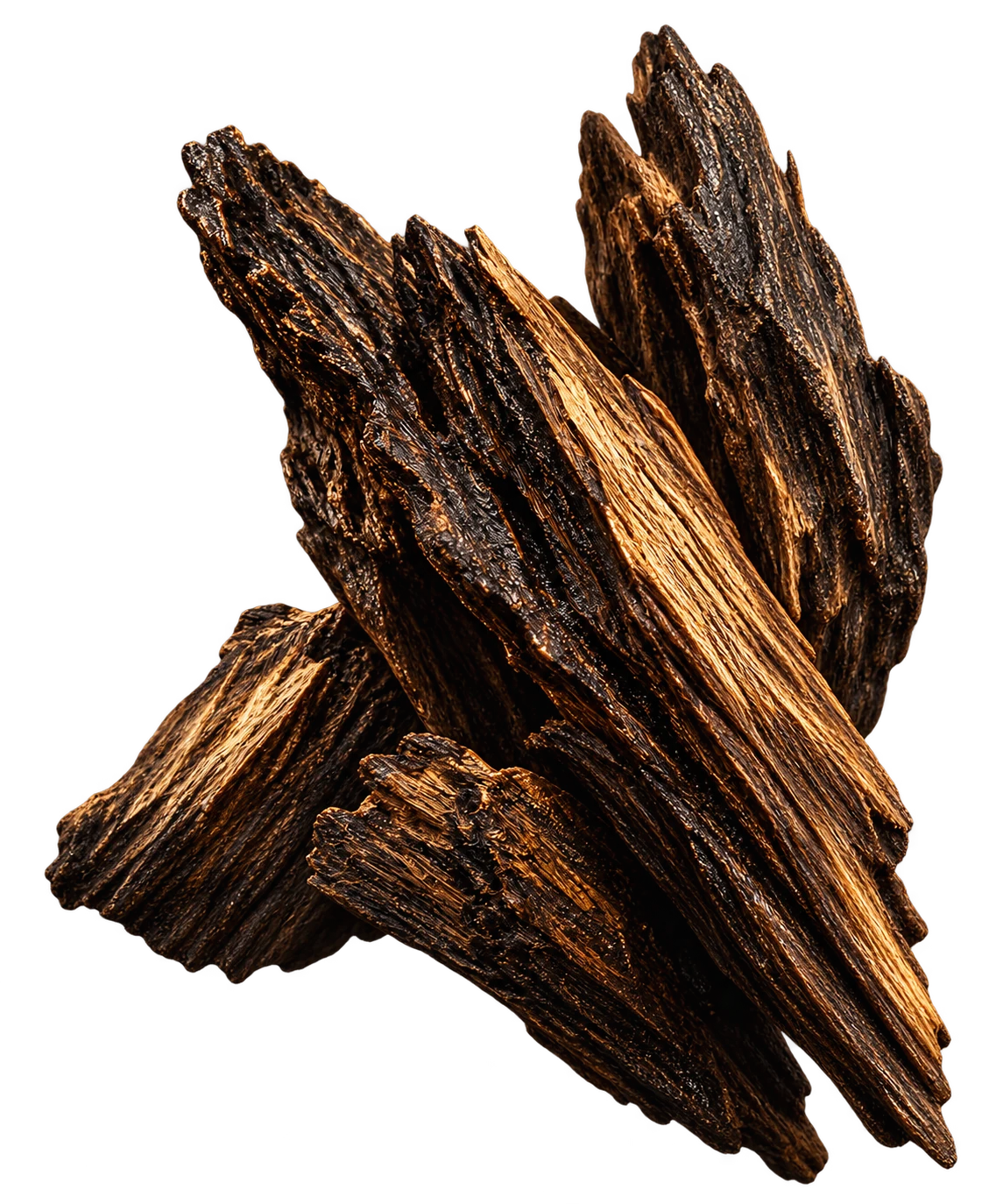
WOODY · WARM · ENVELOPING
Finished with a soft Sandal accent.
Explore its form.
Discover what generations have valued.
Drawing the flower…
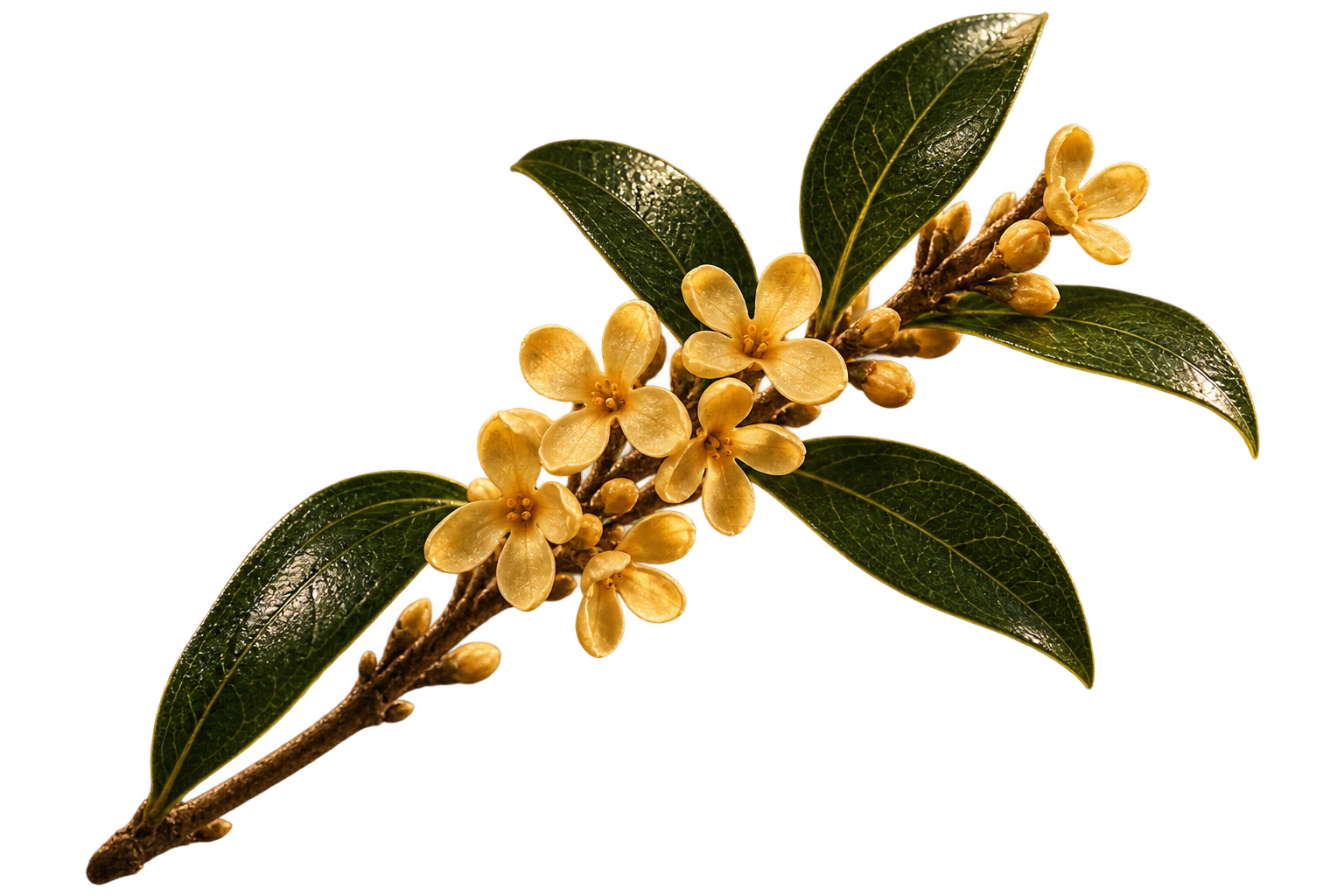
04 COROLLA LOBES02 STAMENSFour joined lobes open from a short floral tube, with two stamens inside. A stylised reconstruction, not a specimen scan.
Hong Kong Baptist University’s plant database describes the fragrant flowers of Osmanthus fragrans as having four corolla lobes and two stamens, with very short filaments attached within the floral tube. It also records variation in flower colour from pale shades to yellow and orange-red.
Those structural details informed this enlarged 3D illustration. The model is an artistic reconstruction of the flower’s form, rather than a scan or a precise specimen measurement.
Source [6]Cultivated in China for more than two millennia, sweet Osmanthus has been valued for ornamental beauty and its distinctive floral scent.
CULTURAL & SENSORY VALUEYang and colleagues review how sweet Osmanthus forms flower buds and how flowering differs between year-round and autumn-flowering groups. They discuss the roles of temperature, plant hormones and flowering-related genes. The article also places the plant in a long Chinese tradition of cultivation, fragrance and ornamental use.
This helps explain the plant’s horticultural importance and how growers might manage flowering.
Source [1]Its flowers bring aroma to tea, cakes and other foods. Traditional Chinese medicine also used the flowers for phlegm and digestive complaints.
CULINARY USE · TRADITIONAL PRACTICETong and colleagues describe ‘Cai Ye Gui’, a sweet Osmanthus cultivar selected for its variegated foliage. Their comparisons found a more compact plant with smaller leaves than the green-leaved seedlings used as controls. The report also records the species’ fragrant flowers and its established culinary and traditional uses.
Its main contribution is the description and cultivation of an ornamental variety.
Source [2]Shi and colleagues begin with traditional Chinese uses of sweet Osmanthus flowers for phlegm and digestive complaints. They then test a flower extract and verbascoside, one of its constituents, in cultured cells and a chemically induced mouse model of intestinal inflammation. The abstract reports reduced inflammatory signalling in cells and improvements in several disease measures in mice.
Source [3]Flower extracts and isolated compounds showed antioxidant activity in laboratory assays. Early cell and animal studies also explored their effects on inflammation.
PRECLINICAL EVIDENCEHung and colleagues investigated an ethanol extract of Osmanthus flowers in an experimental mouse model of allergic airway inflammation. The study examined antioxidant activity and inflammation, reporting protective effects under its experimental conditions. Traditional uses of the flowers supplied background for the research question.
Source [4]Zhou and colleagues studied flower material remaining after essential-oil extraction. They isolated six flavonoids and one phenylethanoid glycoside, including quercetin, kaempferol and verbascoside. Several compounds scavenged free radicals in a laboratory assay, and kaempferol showed the strongest anti-inflammatory activity among the compounds tested. Some compounds were also investigated in cancer-cell assays.
Source [5]In M31, Osmanthus is part of the fragrance story: a luminous floral opening alongside the warmth of Oud. Its role here is sensory enjoyment.
FRAGRANCE EXPERIENCEA rich sensory cleanse, with moisture-supporting care for skin that feels clean, soft and comfortably refreshed.
Pump onto wet hands
or a washcloth.
Massage gently
over the body.
Rinse thoroughly.
Take a moment.
Helps attract and retain moisture for a comfortably hydrated after-feel.
Hydrolyzed Silk and Centella Asiatica Extract help leave skin feeling soft and supple.
Tocopherol helps condition the skin as part of your daily cleansing ritual.
Aqua, Sodium Laureth Sulfate, Glycerin, Sodium Chloride, Fragrance, Cocamidopropyl Betaine, Sodium Lauroyl Sarcosinate, Hyaluronic Acid, Phenoxyethanol, Panthenol, Hydrolyzed Silk, Centella Asiatica Extract, Osmanthus Fragrans Flower Oil, Tocopherol, Sodium Lactate, Lactic Acid, Disodium EDTA, Citric Acid, TEA-Lactate, Serine, Urea, Allantoin, Sorbitol.
For external cosmetic use only. Keep safely away from children. Avoid contact with eyes; rinse thoroughly if contact occurs. Stop use if irritation occurs.
“Prosperity in every drop” expresses optimism and daily intention.
The bottle reveal artistically portrays the fragrance notes; flowers and wood are not depicted as solid contents of the shower gel.